


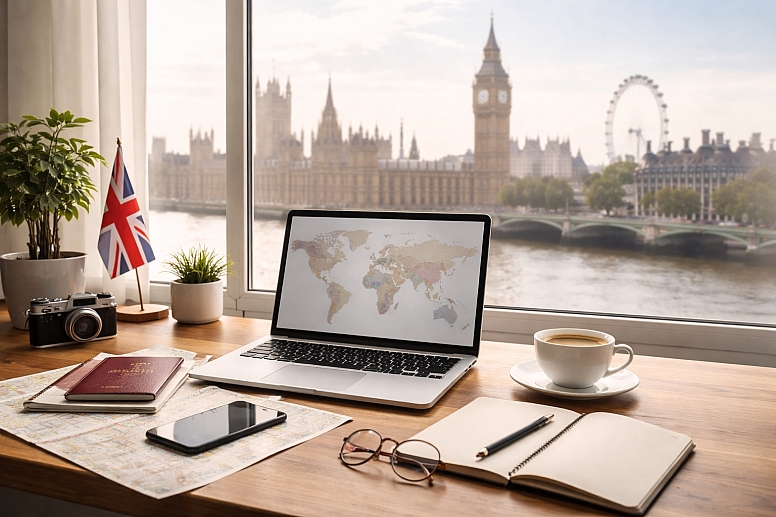
Surprising Digital Nomad Careers You Probably Haven’t Considered
Digital nomads are people who earn a living while working remotely, often travelling between cities or countries instead of staying rooted in one place. If you’re an aspiring digital nomad, you’ve likely heard about freelancing, coding, or remote marketing roles. But the modern remote economy has quietly opened the door to careers that don’t sound nomadic—yet fit the lifestyle perfectly.
The real problem most aspiring nomads face isn’t wanderlust. It’s finding work that’s flexible, portable, and sustainable. The good news? Those jobs exist in places you might not expect.
A Quick Orientation Before You Dive In
Some of the most nomad-friendly careers today don’t require influencer status, advanced coding skills, or constant client pitching. They reward specialisation, reliability, and the ability to work independently across time zones. Many are overlooked simply because they don’t get hyped on social media.
Unexpected Careers That Travel Well
Here are a few paths that consistently support remote, location-independent work:
- Online curriculum developer – Design lesson plans, assessments, or learning materials for schools and platforms without teaching live.
- Digital accessibility specialist – Review websites and documents to ensure they meet accessibility standards for users with disabilities.
- Technical documentation writer – Translate complex processes into clear guides for software, tools, or internal teams.
- Remote operations coordinator – Manage schedules, workflows, and vendors for distributed companies.
- Data quality analyst – Clean, validate, and maintain datasets so businesses can trust their reports.
- Grant researcher and writer – Identify funding opportunities and prepare proposals for nonprofits and institutions.
None of these jobs requires you to be “always on.” Most reward-focused work blocks—ideal for balancing deadlines with travel.
From Idea To Income: A Practical Checklist
If one of these roles caught your attention, use this simple checklist to test whether it’s a good fit for your nomad goals:
- Confirm remote demand – Search job boards using the role name plus “remote” or “distributed.”
- Audit your transferable skills – Look at past roles, coursework, or volunteer work that already aligns.
- Close one small skill gap – A short course or certification often makes the difference.
- Create proof of work – Samples, mock projects, or case studies matter more than titles.
- Test time-zone compatibility – Favour roles with asynchronous workflows.
- Start part-time if needed – Many nomads transition gradually before going fully remote.
The result is clarity: either the role fits your lifestyle—or it doesn’t, and you move on quickly.
How These Roles Compare At A Glance
|
Career Path |
Typical Flexibility |
Income Stability |
Best For |
|
Curriculum Developer |
High |
Medium–High |
Educators, subject experts |
|
Accessibility Specialist |
High |
High |
Detail-oriented reviewers |
|
Technical Writer |
Medium–High |
High |
Clear communicators |
|
Operations Coordinator |
Medium |
High |
Process-minded planners |
|
Data Quality Analyst |
Medium |
High |
Analytical thinkers |
|
Grant Writer |
High |
Medium |
Strong researchers |
This snapshot helps narrow your focus without locking you into a single option too early.
Levelling Up Through Education - Without Pressing Pause On Travel
Sometimes the fastest way to become a stronger digital nomad is to go back to school in a flexible format. Online education can sharpen your credentials and open doors to higher-paying remote roles.
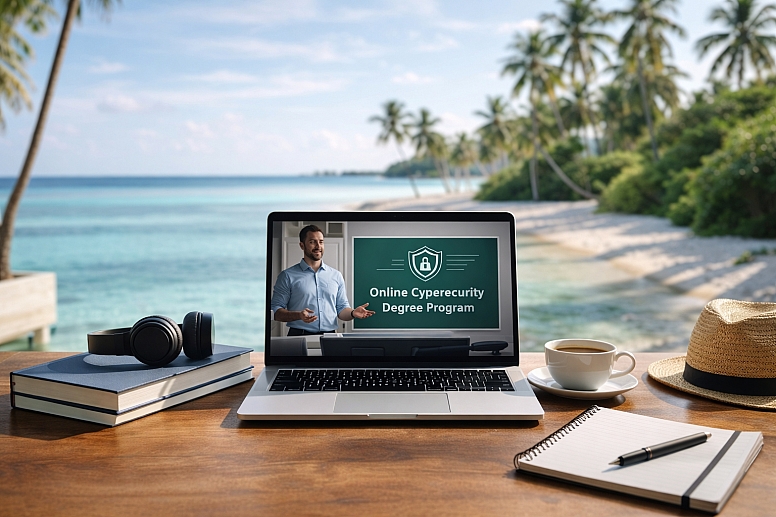
There’s a wide array of programs available online; for example, if you want to help companies secure their systems, audit security policies, and ensure compliance, you might consider an online degree in cybersecurity. Online programs are particularly well-suited for digital nomads because coursework can often be completed from anywhere with a stable internet connection.
A Resource Worth Bookmarking Before You Pack Your Bags
Remote job boards can save you months of trial and error.
One standout resource is Remote OK, a well-known job board that aggregates remote-friendly roles across industries. You can filter by skill, salary range, and job type, making it easier to spot roles that truly support location independence.
Frequently Asked Questions
Do I need years of experience to land these roles?
Not always. Many employers prioritise demonstrated skills and reliability over long résumés.
Are these careers freelance or full-time?
Both exist. Some roles start as contract work and evolve into stable remote positions.
Can I combine more than one role?
Yes. Many digital nomads mix part-time contracts, especially early on.
What’s the biggest mistake new nomads make?
Choosing a job for travel flexibility alone, without considering long-term income stability.
Becoming a digital nomad doesn’t require chasing trends or reinventing yourself every six months. Often, it’s about reframing practical skills into remote-friendly roles that travel well. When you focus on stability first and flexibility second, the lifestyle becomes far more sustainable. With the right path, your work can support your movement—rather than limit it.
For travellers passing through London—or planning the next stop on their route—this way of thinking applies just as much to souvenirs and gifts. The pieces people keep are rarely the loud or gimmicky ones; they’re the items that quietly capture a moment, a place, or a feeling. A well-chosen London gift works the same way as a sustainable nomad career: it travels easily, holds its value over time, and means something long after the journey moves on.
LEAVE A COMMENT
Recent Posts





0.9589